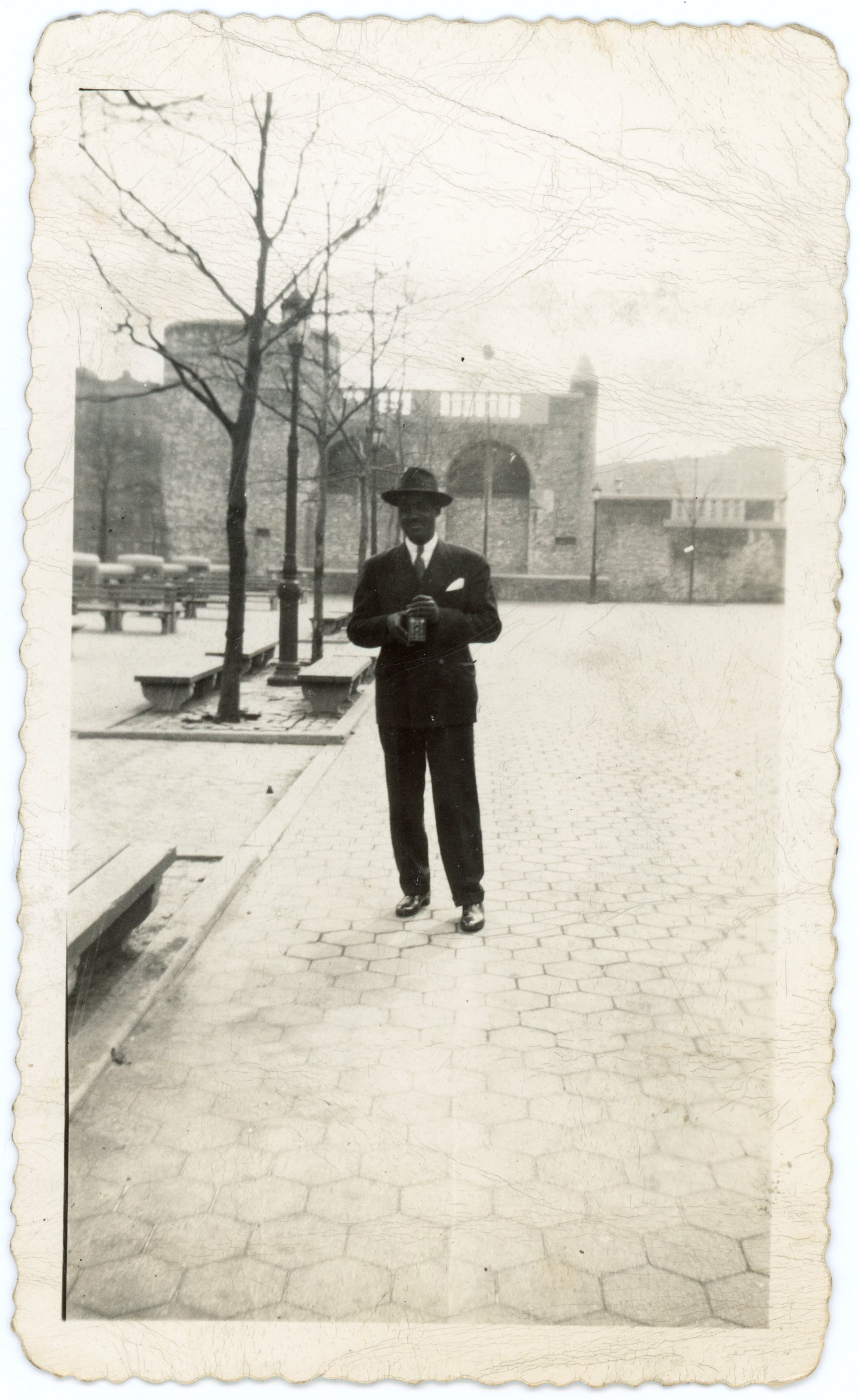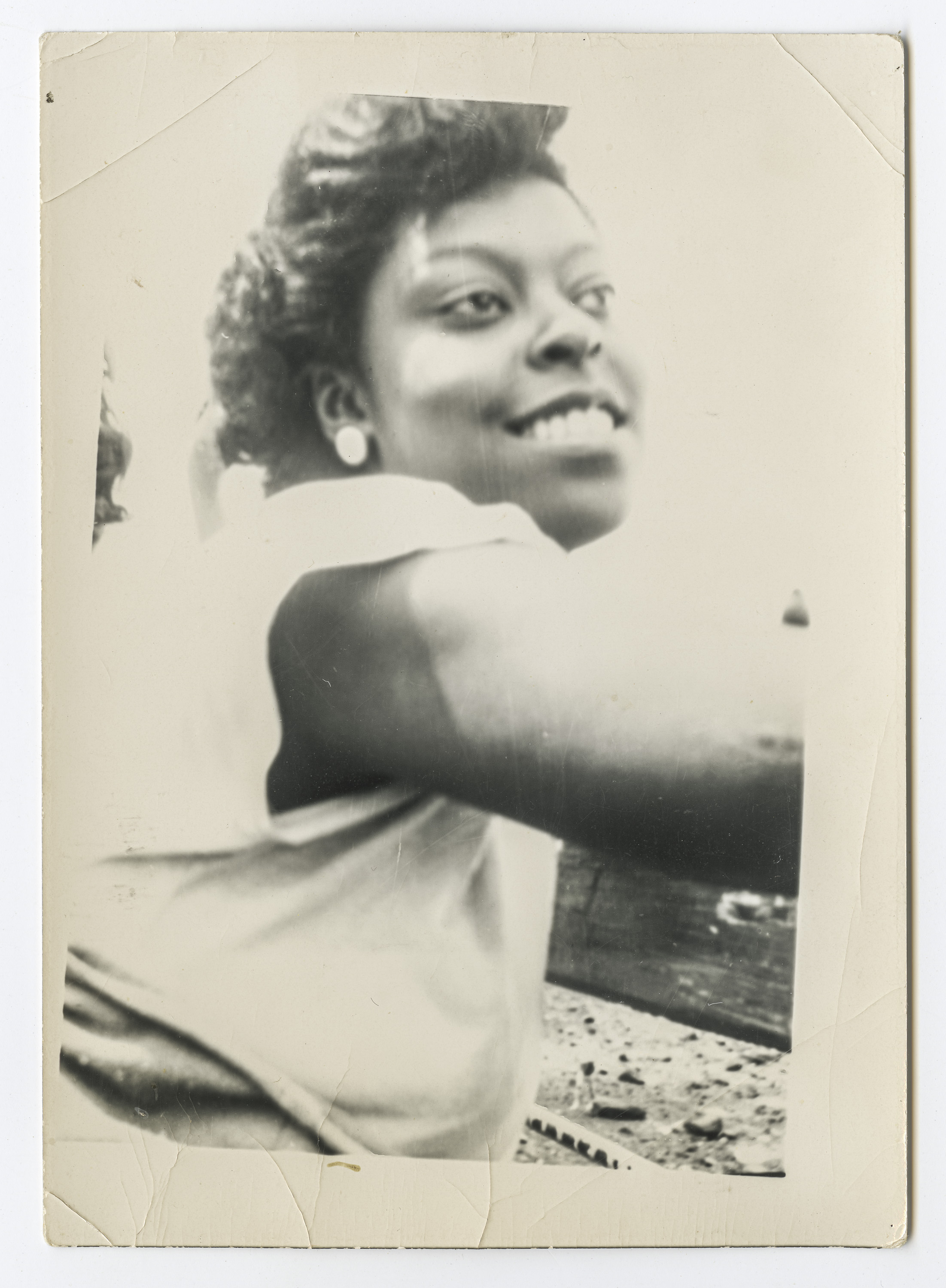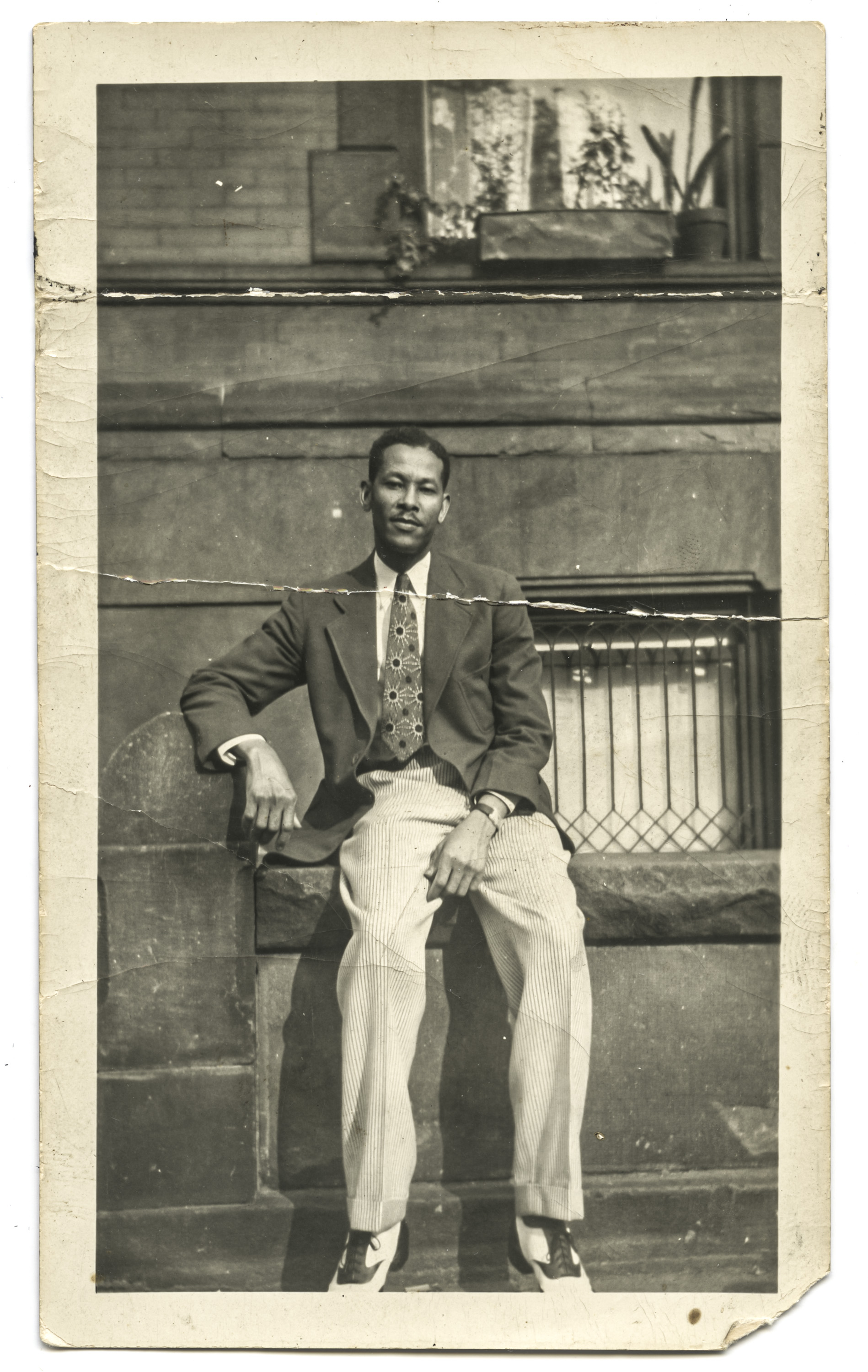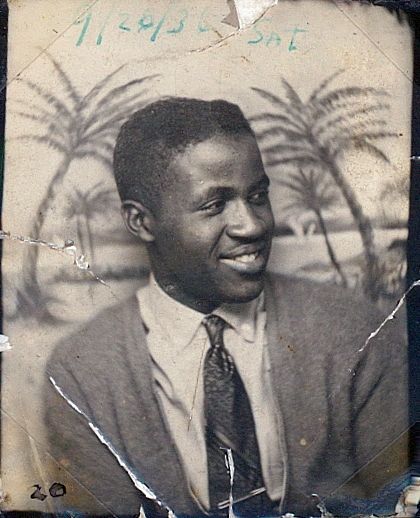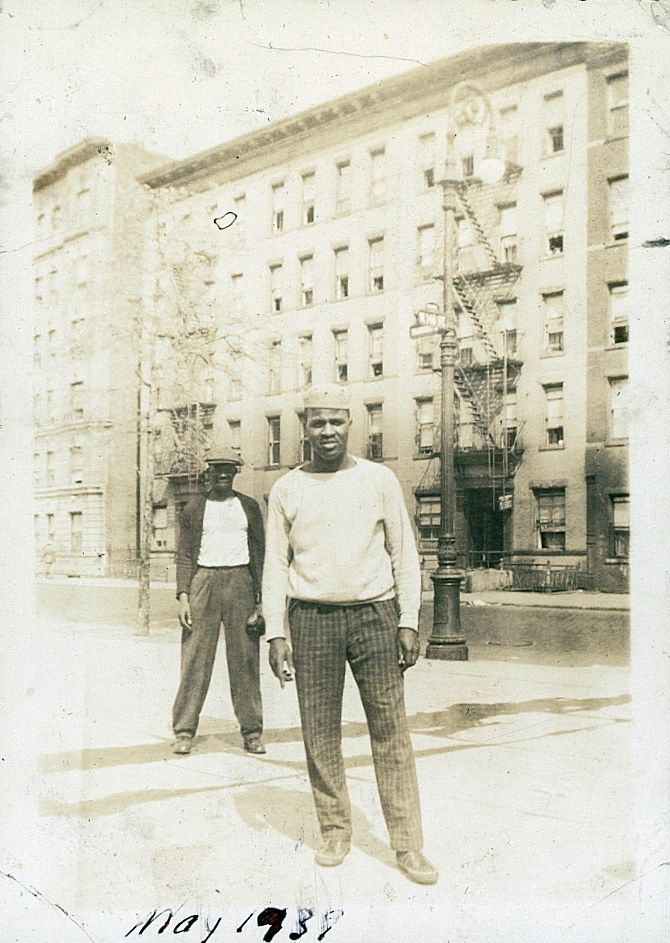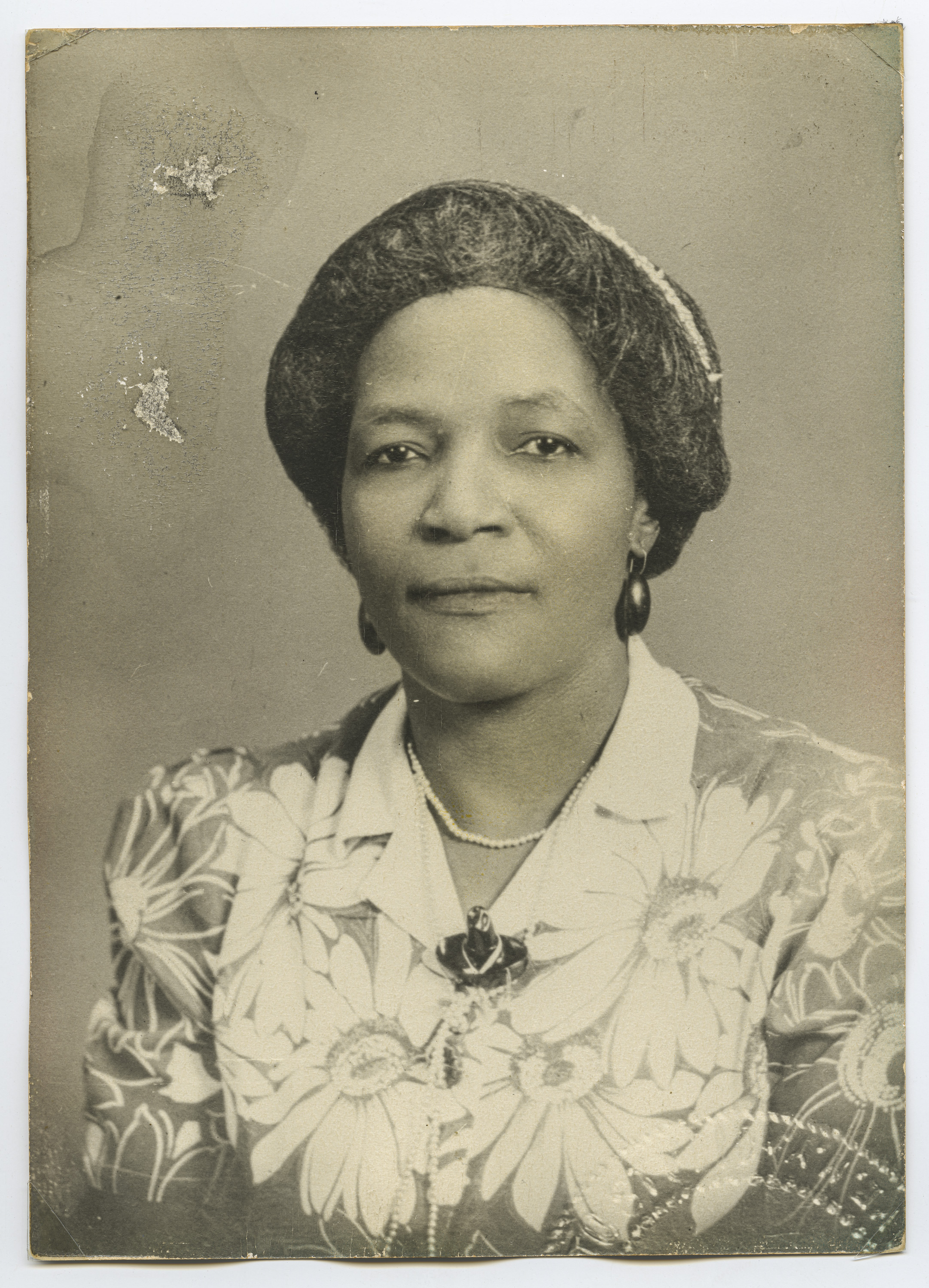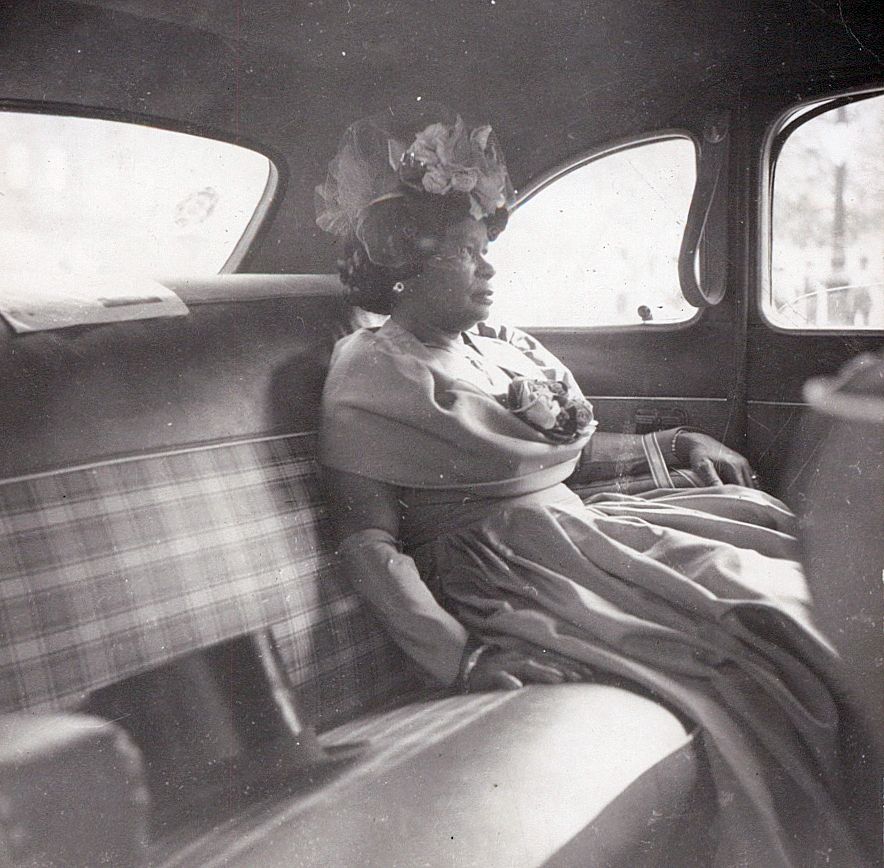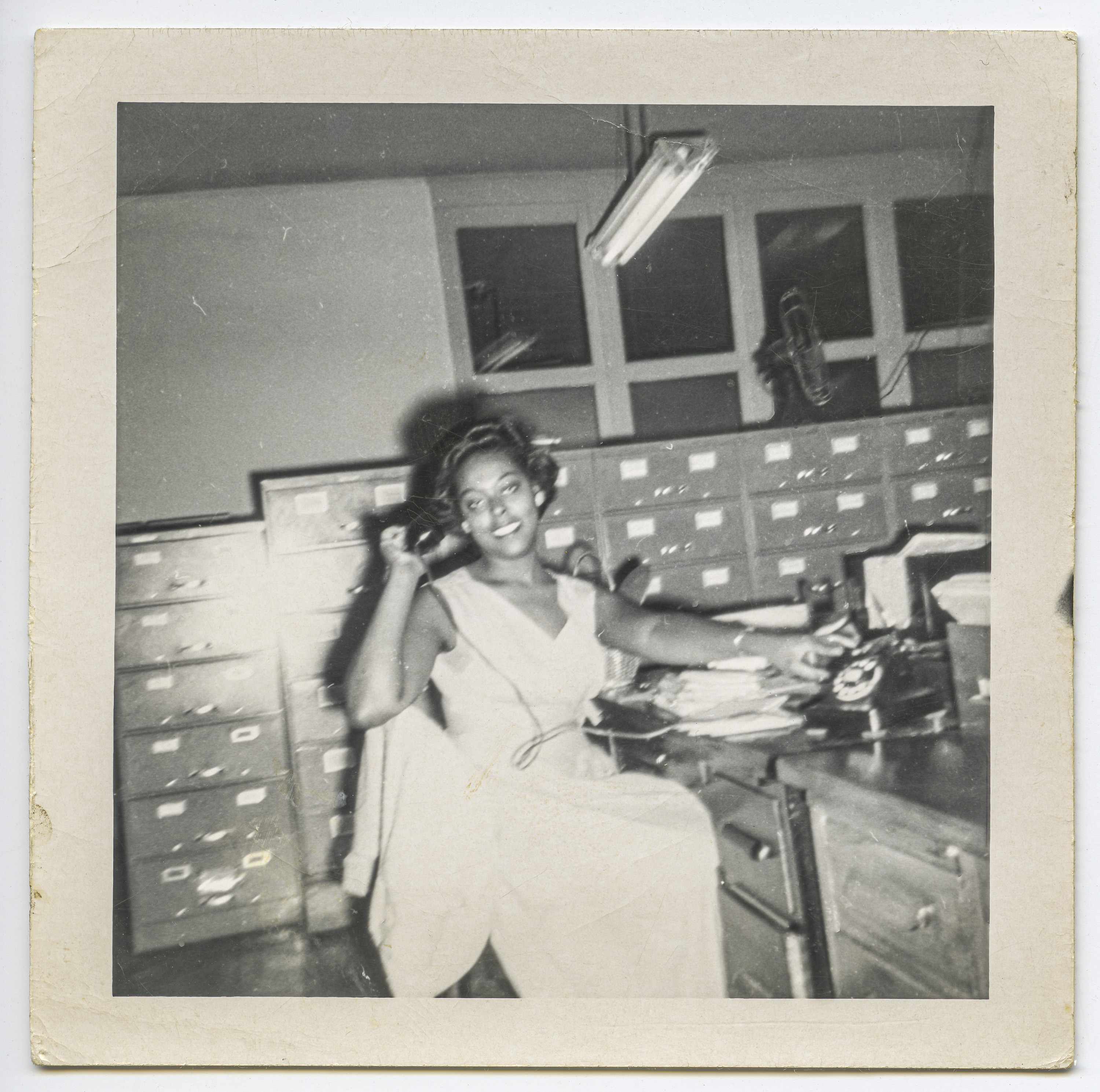
"Black Portraiture is not just about the portrait as a photo, and that is important, but thinking through 'the production and skill of black self-representation, desire, and the exchange of the gaze…in fashion, film, art, and the archive.'"
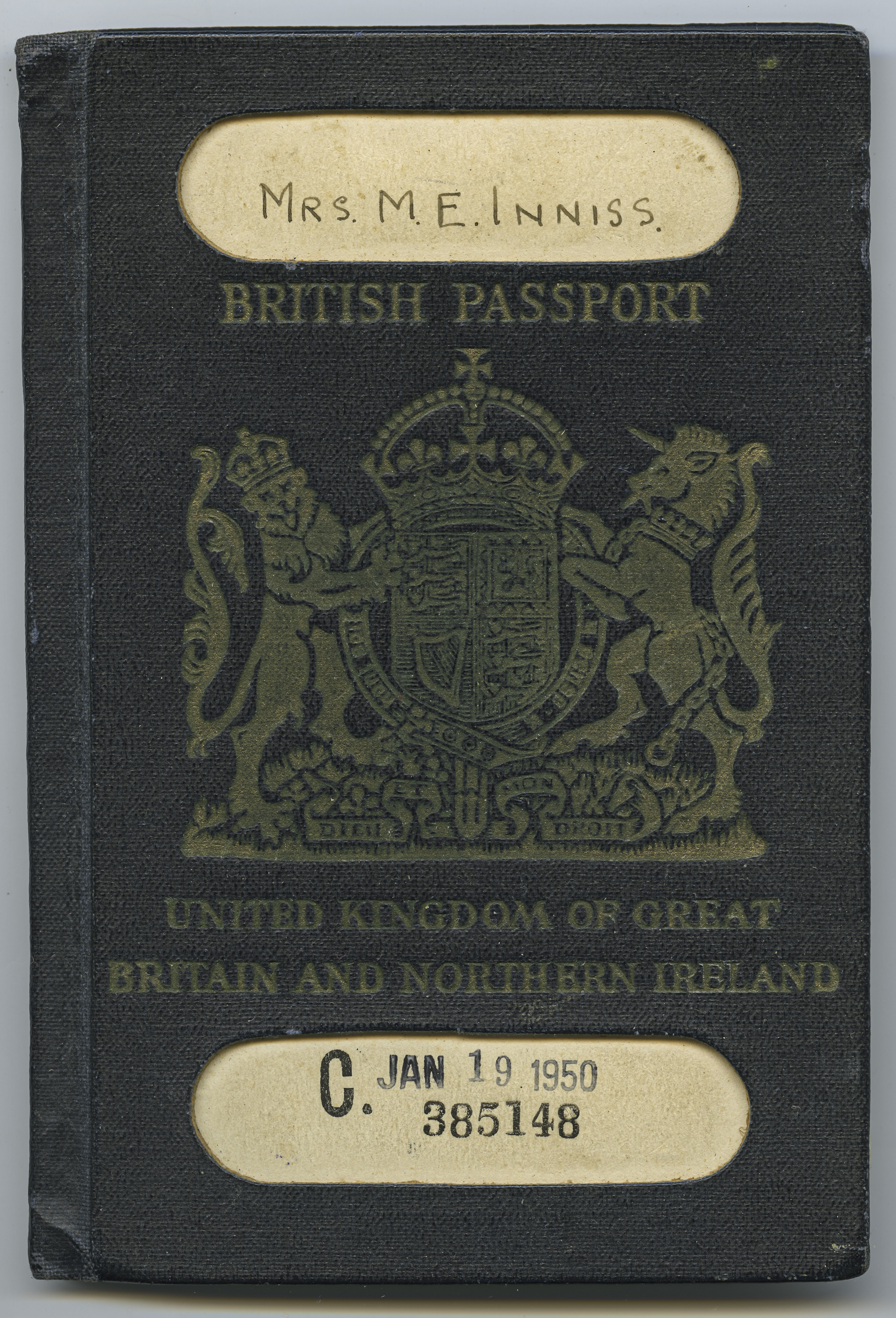
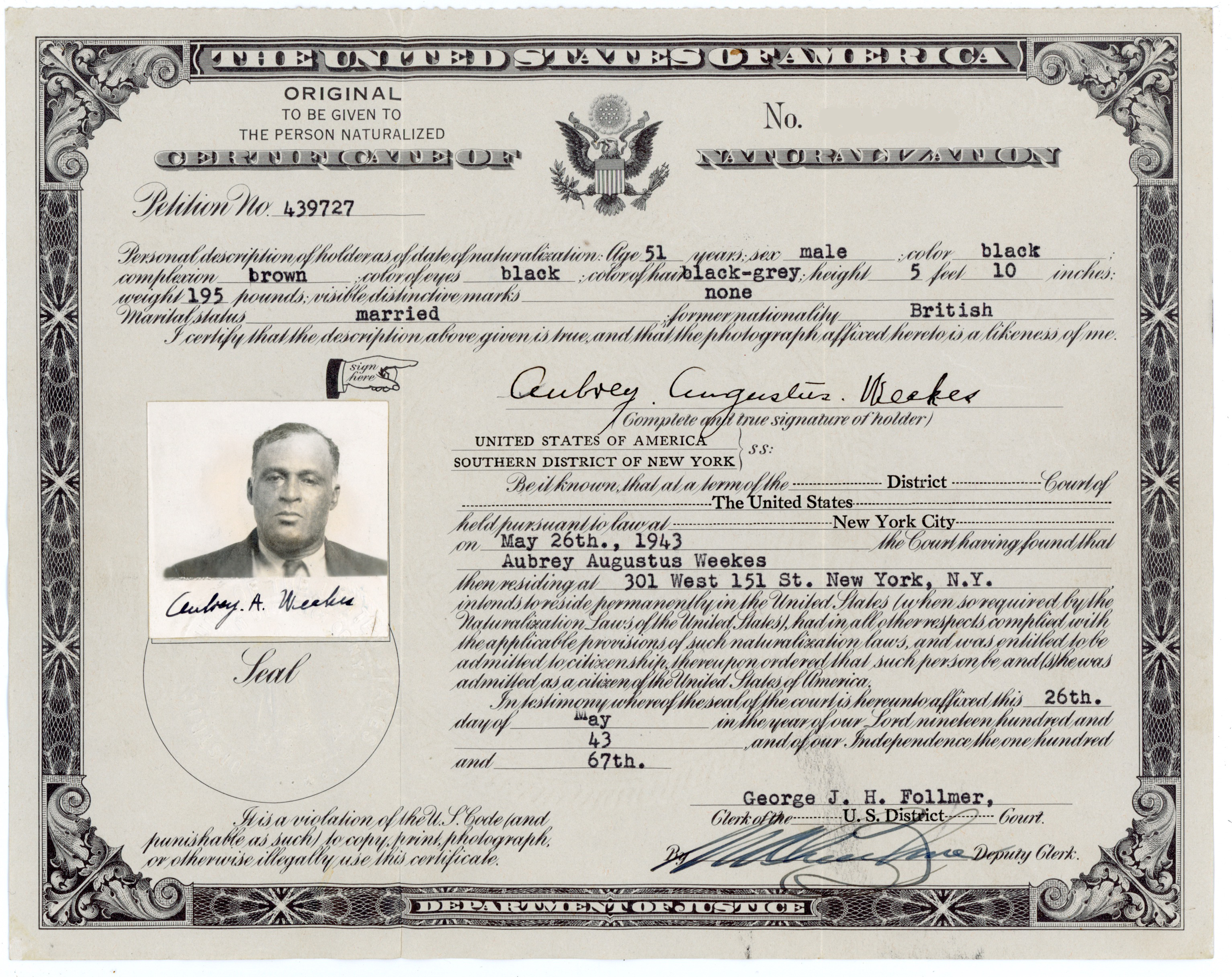
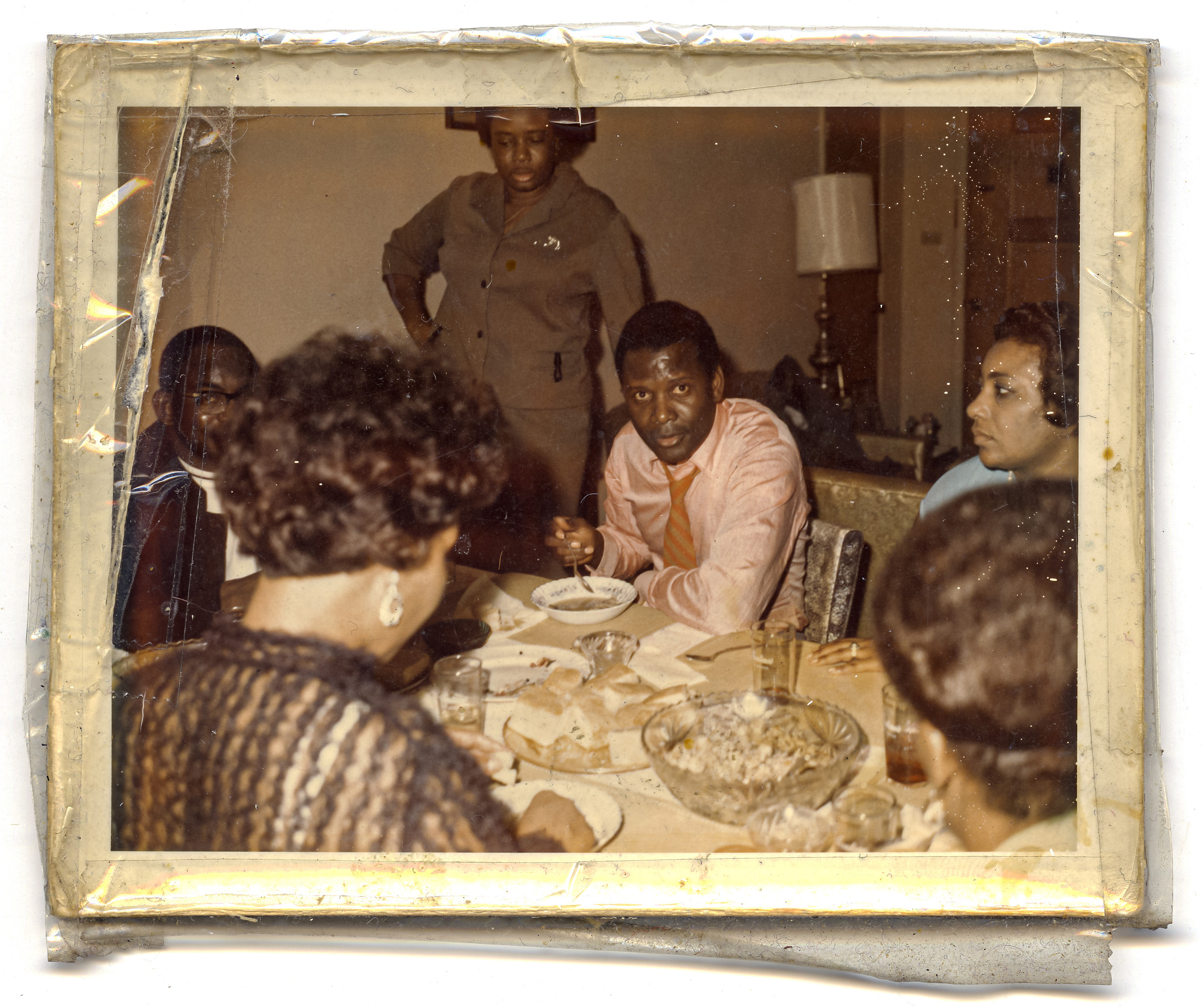
This collection is a series of portraits of Umi's family members, her predecessors, to give a sense of who they were and what kinds of worlds they lived in and created. I organized it under the idea of the portrait or, more specifically, the thinking around Black Portraiture[s]. Black Portraiture is not just about the portrait as a photo, and that is important, but thinking through “the production and skill of black self-representation, desire, and the exchange of the gaze…in fashion, film, art, and the archive.” Accordingly, in this collection, some photos represent the idea of Black self-representation and self-determination, and there are documents – legal documents or “papers.” The papers are included because there are no photos for some but also to mark the “exchange of the gaze.” Papers are meant for control and surveillance, but they also can tell us something about how the person wanted to be known.