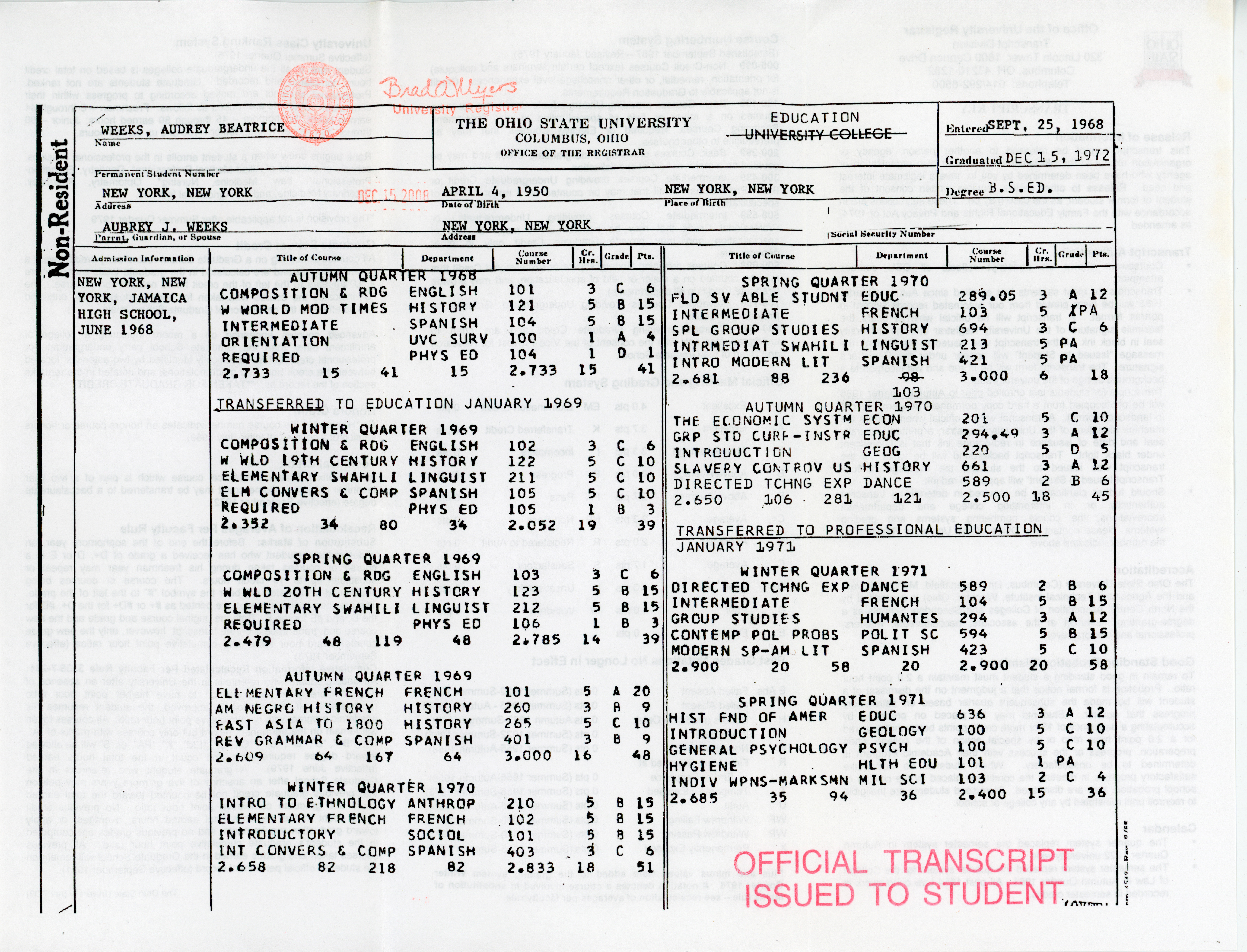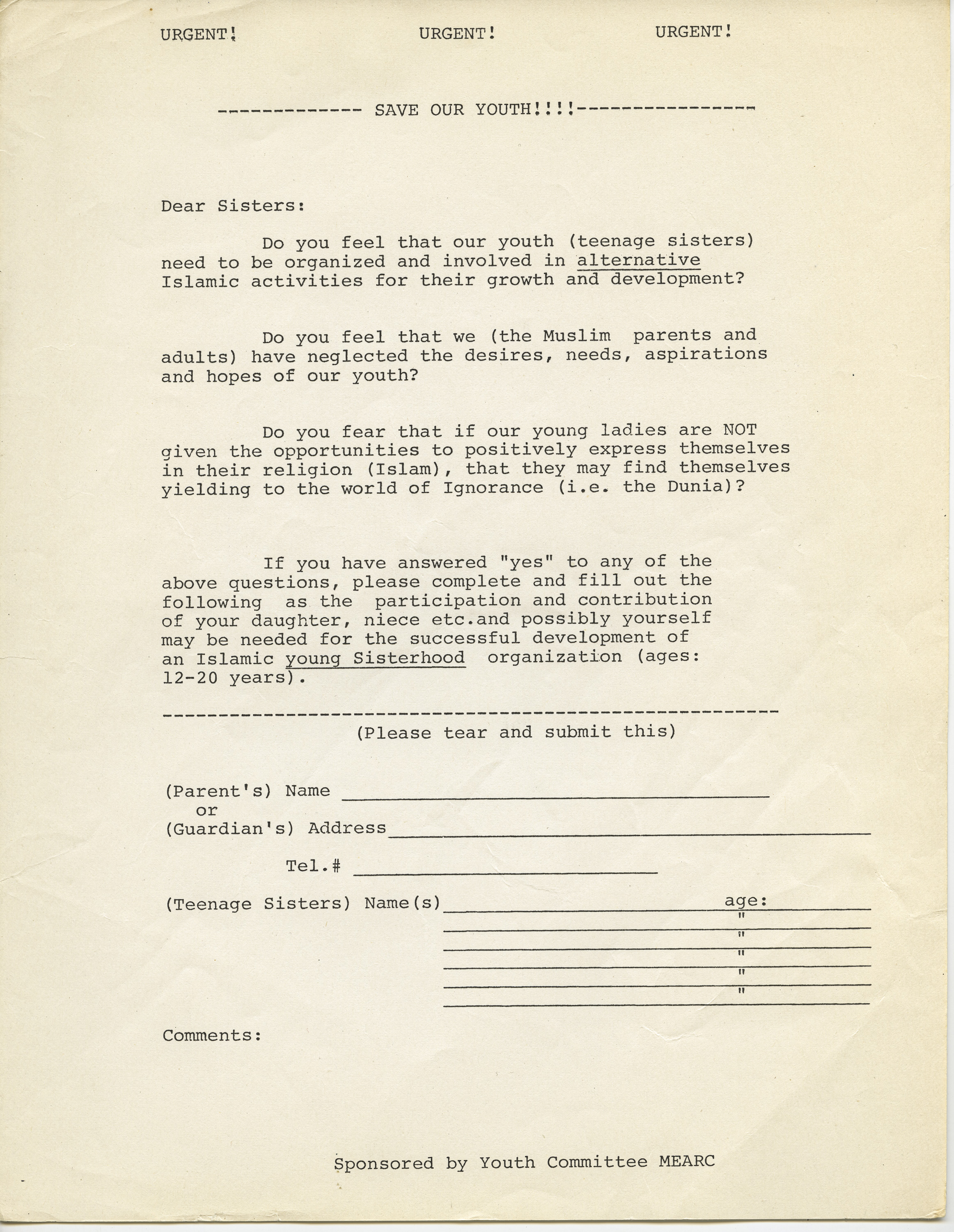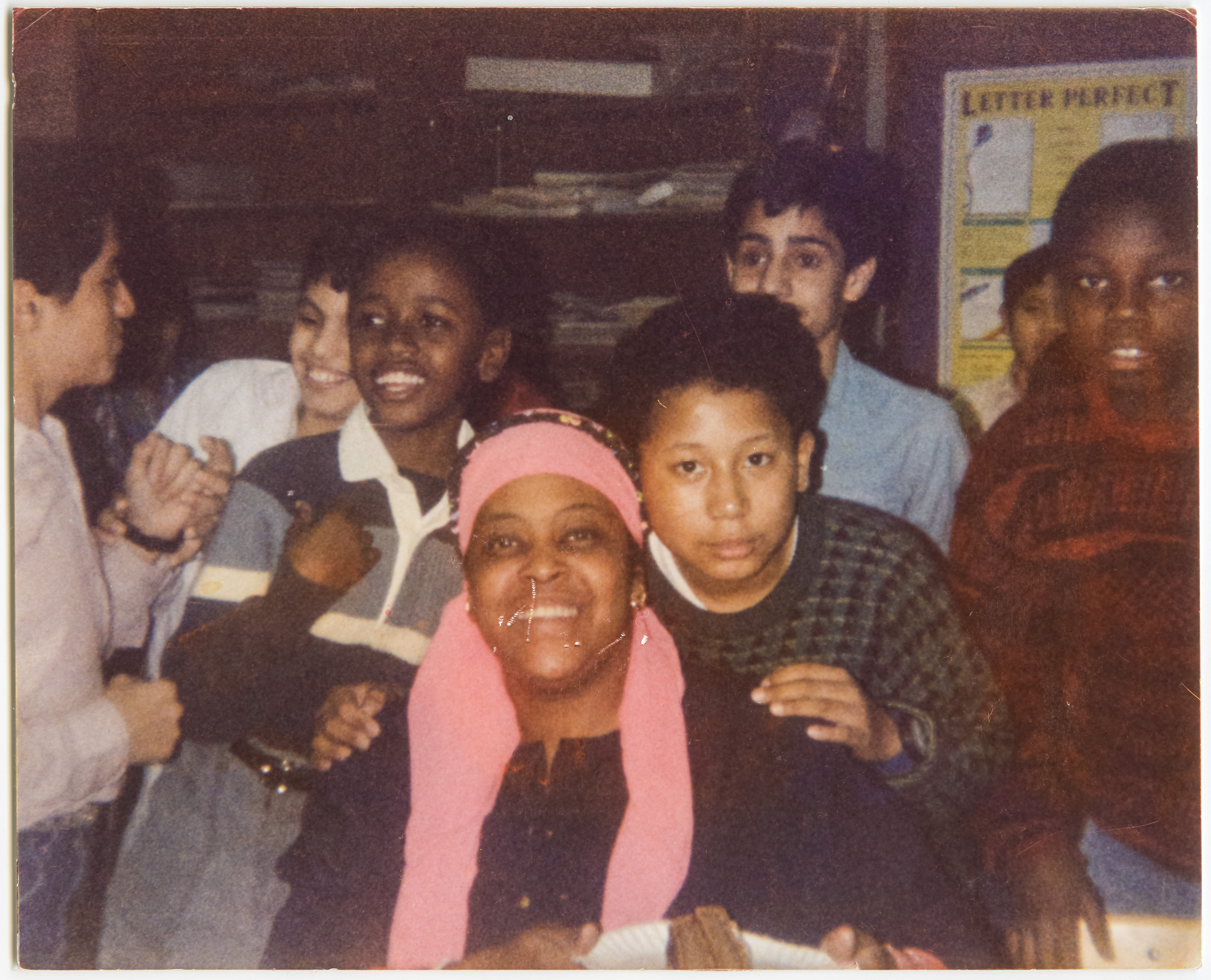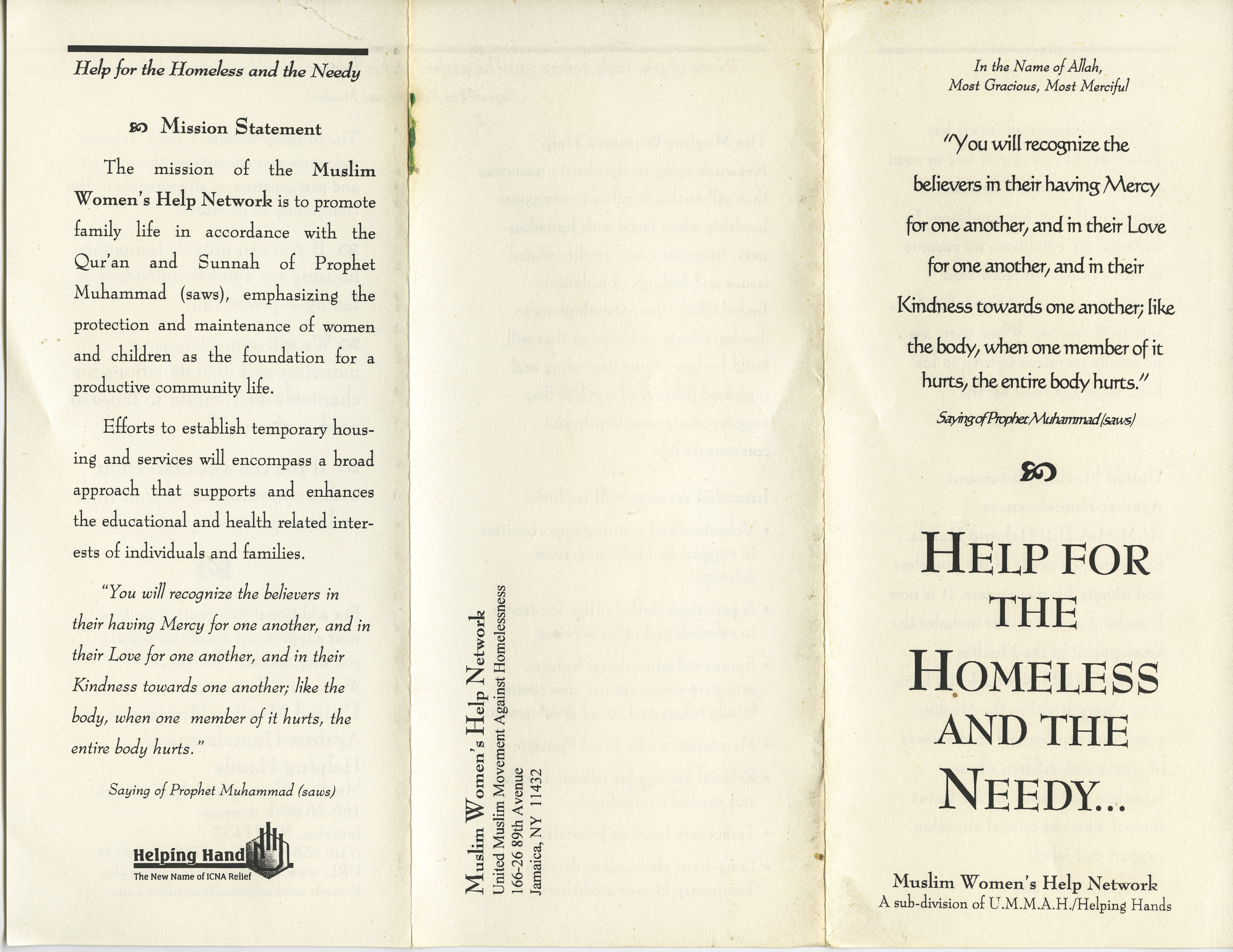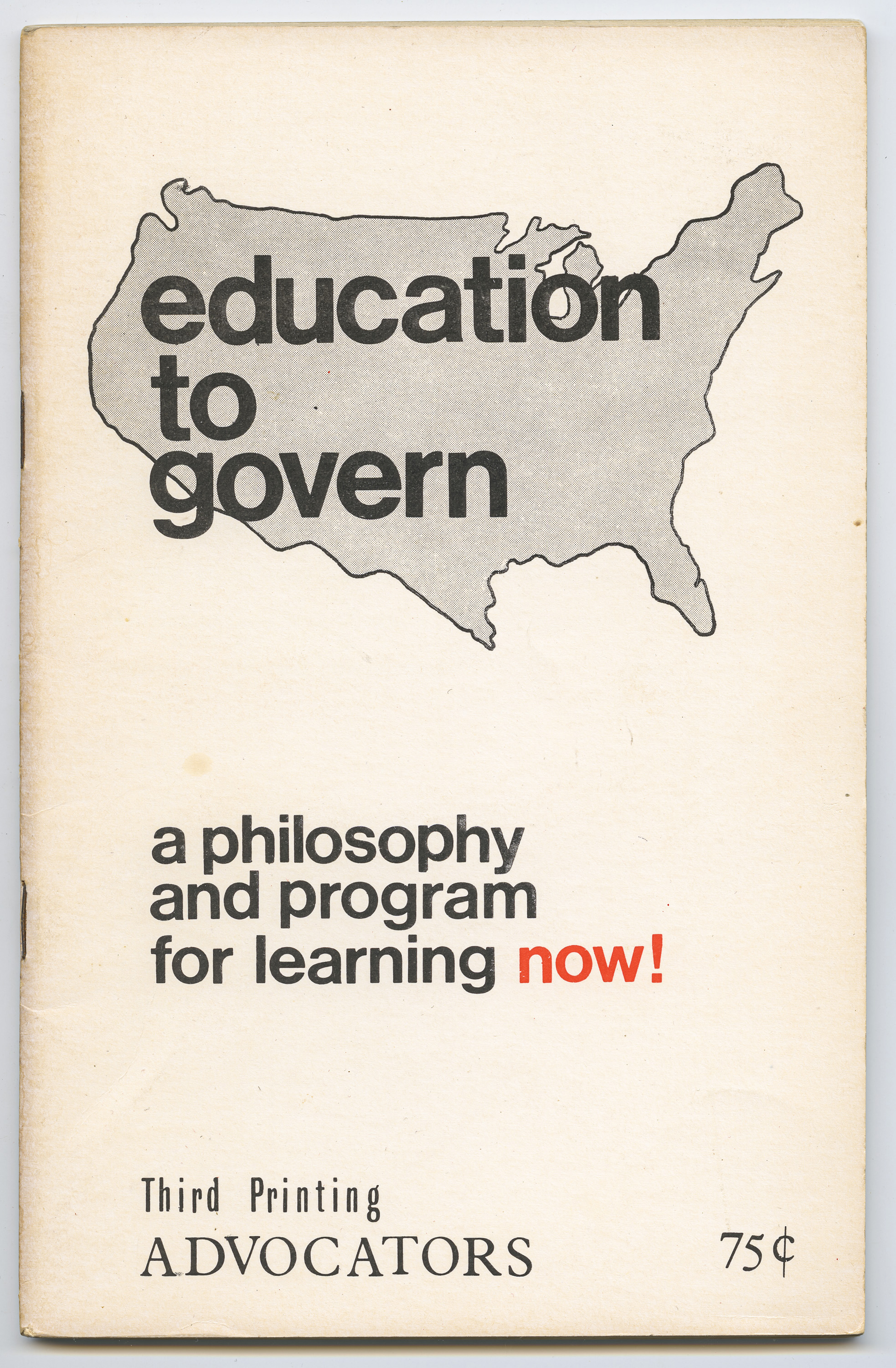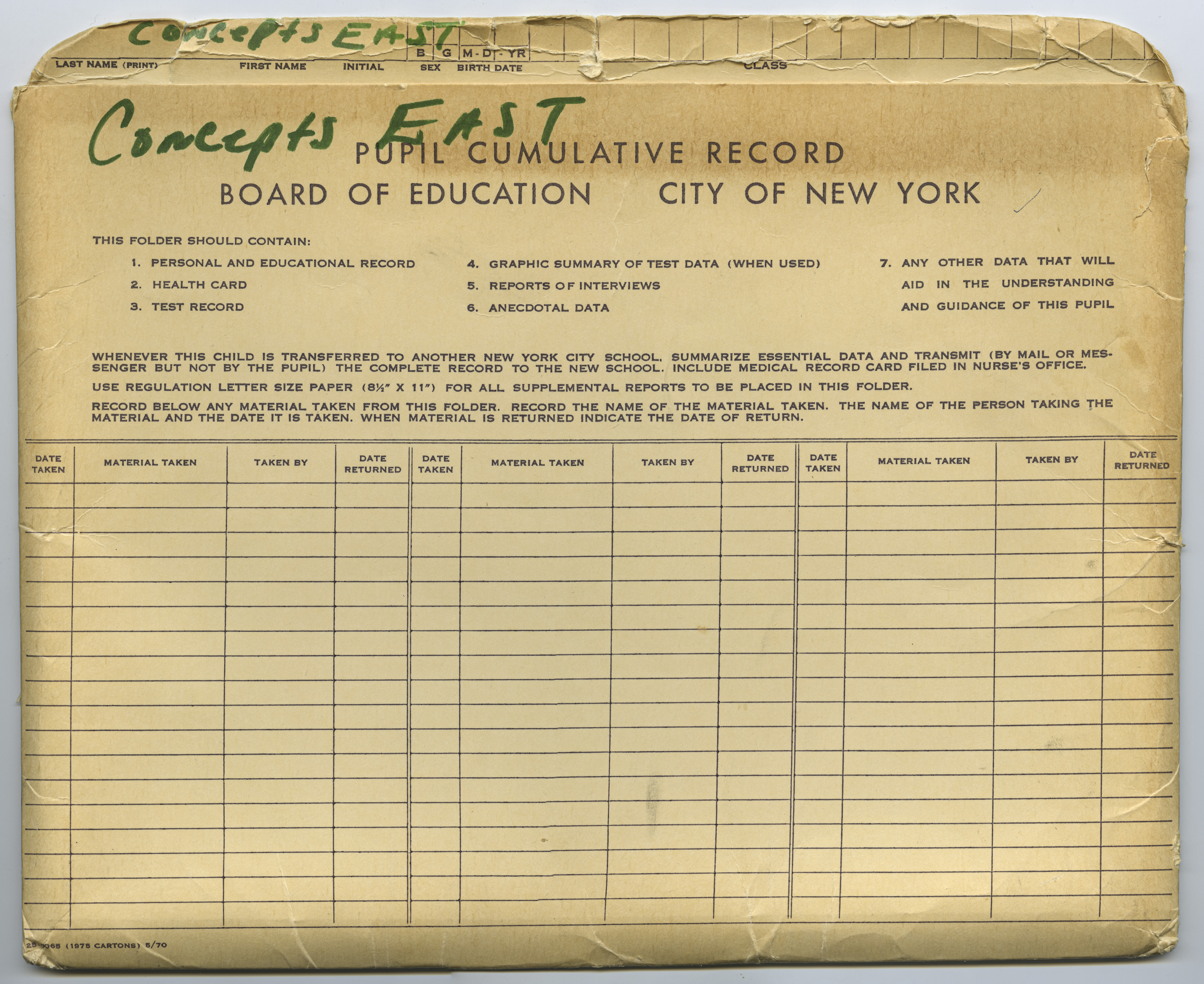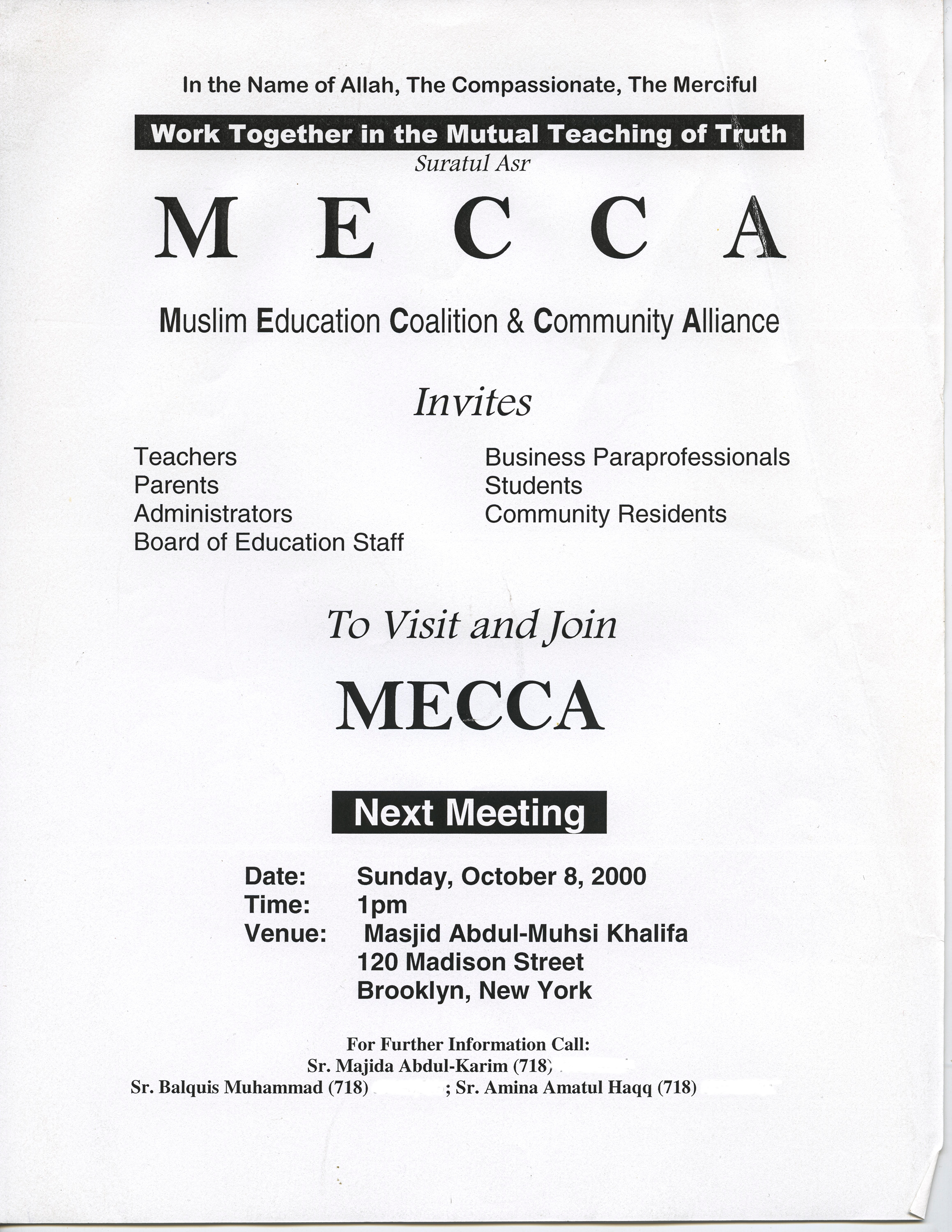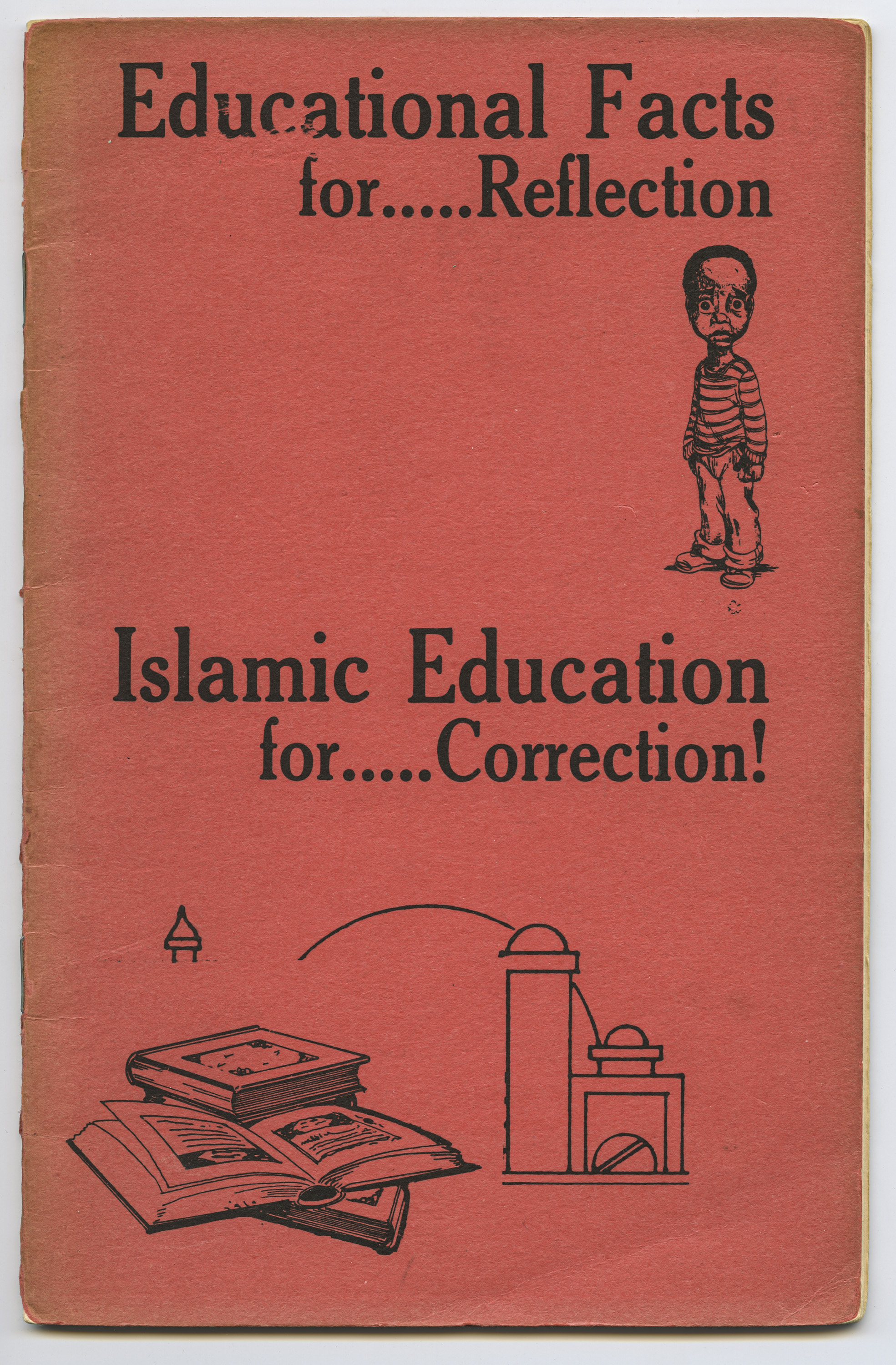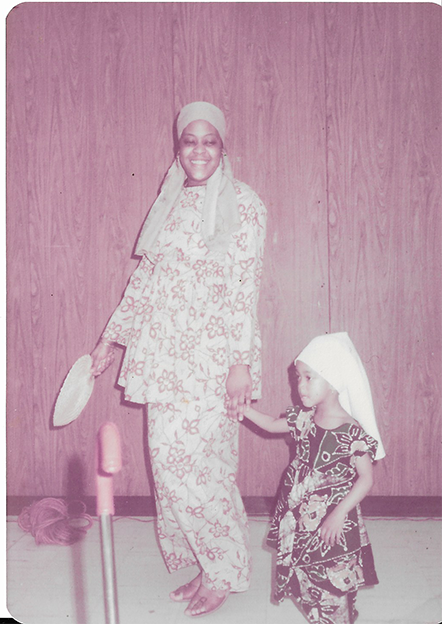
"While most of the items are from her 20s in the 1970s, during a time when the Black Radical Tradition was alive in the hearts and in the streets, there are items in the collection from later in Umi's life. For me, these speak to the enduring nature of her commitment, which is a hallmark of many in her generation."
US public schools fail Black children with such regularity that it doesn't even make headlines. In fact, much of the discourse in the mainstream around this failure links it to so-called “Black pathology” — students who don't want to learn, parents who don't care about their child's education, and communities that are lost causes. In this narrative, Black kids miss out on the primary benefit of an education: upward mobility. Yet, when we spend time in Umi's archive, we get an alternative understanding. School failures are not due to Black pathologies, but white supremacist systems that disinvest in Black children and their communities. And with that understanding, education and schools are not sites of upward mobility, but rather key sites of revolutionary action and transformation and nation-building.